A Celebration Rooted in Love, Family & Culture
There is nothing quite like a Nigerian wedding.
From the moment guests arrive — wrapped in coordinated aso-ebi fabrics, moving to the rhythm of live music, filling the air with laughter and ululation — it becomes clear that what you are witnessing is not simply a wedding. It is a gathering of generations. A declaration of identity. A celebration of two families becoming one.
Nigerian weddings are among the most vibrant, emotionally layered, and visually spectacular celebrations in the world. They are rich with meaning — every gesture, every garment, every ritual carrying the weight of culture and the warmth of community. As a photographer, I have had the privilege of documenting many of these celebrations, and each one has left me with a deeper appreciation for the beauty of Nigerian heritage.
A Nigerian wedding isn't just a celebration — it's a gathering of generations, a union of families, and a declaration of identity.
Whether you are a couple planning your own traditional Nigerian wedding in Houston, a family member wanting to understand the ceremonies more deeply, or simply someone who appreciates the beauty of cultural celebration — this guide is for you.
What Is a Traditional Nigerian Wedding?
A traditional Nigerian wedding — often called the Introduction Ceremony or Traditional Marriage — is the formal union of two families according to the customs and rites of the couple's ethnic heritage. It is distinct from, and often held separately from, a Western-style white wedding ceremony.
Nigeria is home to over 250 ethnic groups, each with its own unique wedding traditions, languages, and ceremonial practices. The most widely celebrated traditions in Houston's Nigerian community come from two of Nigeria's largest ethnic groups:
The Yoruba people — from southwestern Nigeria, known for their vibrant aso-oke fabrics, gele headwraps, and the iconic money spray tradition
The Igbo people — from southeastern Nigeria, known for the wine-carrying ceremony, palm wine rituals, and richly embroidered attire
Many Nigerian couples in Houston celebrate both a traditional ceremony and a white wedding — sometimes on the same weekend, sometimes on separate days. Each ceremony carries its own significance, its own dress code, and its own set of meaningful rituals.
✦Photographer's Note
When photographing a two-ceremony Nigerian wedding, I always recommend scheduling a brief planning call to map out the full timeline across both days. The traditional ceremony often runs on a more fluid schedule than a Western ceremony — building in buffer time ensures we capture every meaningful moment without feeling rushed.
Beautiful Traditions You'll Experience
While every Nigerian wedding is unique to the couple and their families, there are several beloved traditions that appear across many ceremonies. Understanding these moments helps you anticipate them — and helps your photographer capture them with the care they deserve.
Yoruba Wedding Traditions
Yoruba Wedding Traditions
Yoruba weddings are known for their extraordinary energy, their breathtaking fashion, and their deeply communal spirit. The ceremony is as much a celebration of family as it is of the couple.
The Introduction Ceremony (Eru Iyawo)
Before the main traditional wedding, the groom's family formally presents themselves to the bride's family, bringing gifts and paying the bride price. This ceremony establishes the formal union of the two families and is often an intimate, deeply meaningful gathering.
The Gele & Aso-Oke
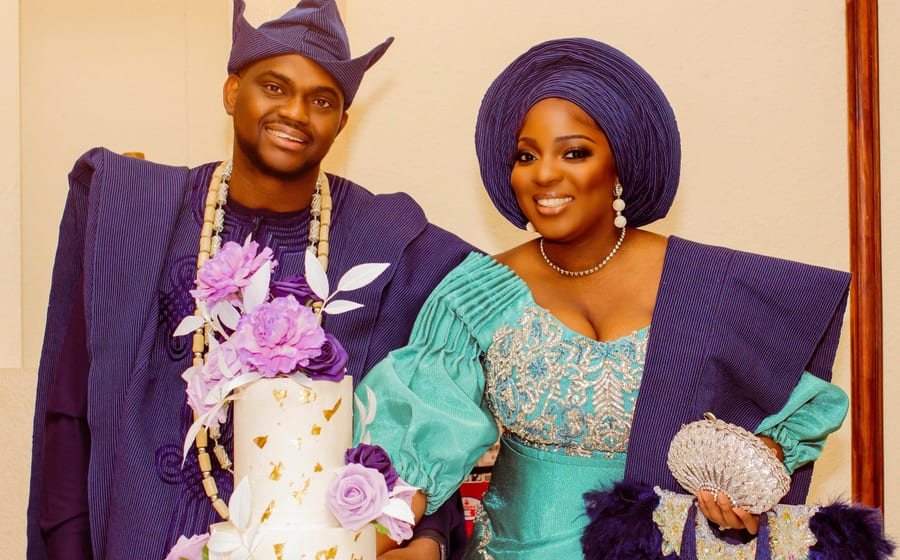
The bride's gele — an intricately wrapped headpiece — is one of the most visually stunning elements of a Yoruba wedding. Paired with aso-oke fabric in coordinated colors for the bridal party and family, the result is a breathtaking tapestry of color and texture.
The Prostration (Dobale)
The groom and his groomsmen prostrate fully before the bride's family as a gesture of deep respect and gratitude. This moment is profoundly moving — and one of the most important photographs of the entire ceremony.
The Money Spray
Perhaps the most joyful tradition of all — guests shower the couple with money as they dance, expressing blessings, prosperity, and celebration. The energy in the room during a money spray is electric, and the photographs it produces are some of the most vibrant and alive of the entire wedding day.
✦Photographer's Note
The money spray happens fast and the energy is extraordinary. I always position myself to capture both the couple's expressions and the cascade of bills in the air — it's one of those moments that perfectly encapsulates the joy of a Nigerian wedding.
Igbo Wedding Traditions
Igbo Wedding Traditions
Igbo traditional weddings are steeped in symbolism and ceremony. Every ritual carries deep meaning — from the way the bride enters the room to the moment she presents palm wine to her chosen groom.
Igba Nkwu (Wine Carrying Ceremony)
The heart of the Igbo traditional wedding. The bride carries a calabash of palm wine through the gathered crowd, searching for her groom. When she finds him, she kneels and presents the wine — and he drinks. This moment is the formal acceptance of the marriage, witnessed by both families and the entire community.
The Bride Price (Ime Ego)
The groom's family presents a formal list of gifts and payments to the bride's family — a gesture of honor and appreciation for raising their daughter. The bride price is not a transaction but a symbol of respect, and its presentation is a ceremonial highlight.
The Oji (Kola Nut Ceremony)
The kola nut holds deep spiritual significance in Igbo culture. It is broken and shared among elders as a blessing for the union — a ritual that connects the living with their ancestors and invites divine favor upon the couple.
The Bride's Entrance
The Igbo bride's entrance is a theatrical, joyful procession — often accompanied by live music, dancing, and the ululation of female relatives. She is dressed in her finest traditional attire, and the room erupts when she appears. It is one of the most photographically powerful moments of the entire ceremony.
The Beauty of Nigerian Wedding Attire
Nigerian wedding attire is among the most visually spectacular in the world. The fabrics are rich, the colors are bold, and every garment tells a story of heritage and identity.
The fabrics, the colors, the gele — Nigerian wedding attire is a visual language all its own.
The Bride
A Nigerian bride's traditional attire is a masterpiece of craftsmanship. For a Yoruba bride, this typically means a stunning aso-oke ensemble — a hand-woven fabric in the family's chosen colors, paired with an elaborately wrapped gele headpiece that can take a skilled wrapper an hour or more to perfect. The result is architectural, regal, and breathtaking.
An Igbo bride often wears a George wrapper — a richly embroidered fabric in deep jewel tones — paired with coral beads, a traditional blouse, and a headpiece that reflects her family's heritage. The coral beads, in particular, carry deep cultural significance and photograph with extraordinary richness.
The Groom
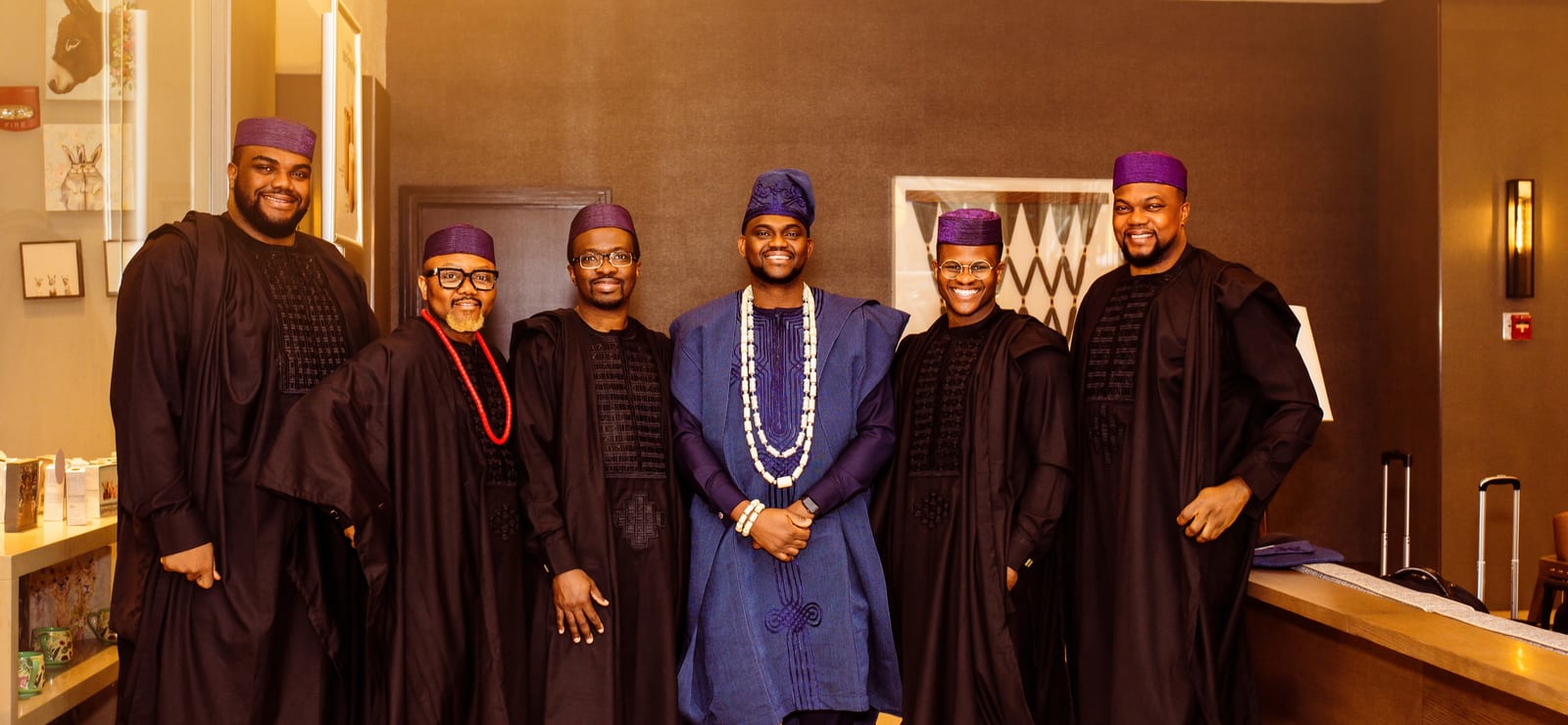
The Nigerian groom is equally resplendent. A Yoruba groom typically wears an agbada — a flowing, embroidered robe that commands presence and photographs with extraordinary elegance. The agbada is often paired with a matching fila (cap) and sokoto (trousers), creating a complete ensemble that is both traditional and deeply distinguished.
An Igbo groom often wears a chief's attire — a richly embroidered isiagu shirt, traditional trousers, a red cap (ozo cap), and a walking staff — projecting authority, heritage, and pride.
The Aso-Ebi
One of the most visually spectacular elements of any Nigerian wedding is the aso-ebi — coordinated fabric worn by family members and close friends of the couple. When an entire room of guests is dressed in the same rich fabric, the visual effect is extraordinary. It creates a sense of unity, celebration, and belonging that is uniquely Nigerian — and it photographs beautifully.
✦Photographer's Note
I always ask couples to share their aso-ebi colors in advance so I can plan compositions that make the most of the coordinated palette. A wide shot of the entire room in matching fabric is one of the most striking images from any Nigerian wedding.
Capturing the Moments That Matter Most
Nigerian weddings move quickly. The energy is high, the schedule is fluid, and the most meaningful moments often happen in an instant. Photographing them well requires experience, cultural understanding, and the ability to anticipate what comes next.
These are the moments I prioritize at every Nigerian wedding I photograph:
The bride's entrance — the procession, the crowd's reaction, the first glimpse of her attire
The wine-carrying ceremony — the search through the crowd, the moment of presentation, the first drink
The prostration — the groom's gesture of respect before the bride's family
Family blessings — elders placing hands on the couple, prayers, and words of wisdom
The money spray — the cascade of bills, the dancing, the electric energy of the room
Quiet intimate moments — the couple's private glances, whispered words, shared laughter
The reception dancing — the owambe energy, the live music, the joy that fills every corner of the room
Detail shots — the gele, the coral beads, the agbada embroidery, the kola nut, the palm wine calabash
✦Photographer's Note
The most powerful photographs from a Nigerian wedding are rarely the posed ones. They are the unguarded moments — a mother's tears during the blessing, a groom's expression when he first sees his bride, the pure joy on a grandmother's face during the money spray. I stay present and patient, always ready for the next real moment.
Planning Tips for a Traditional Nigerian Wedding
Planning a traditional Nigerian wedding in Houston requires thoughtful coordination — especially if you are celebrating both a traditional ceremony and a white wedding. Here are the most important planning considerations I share with every Nigerian couple I work with.
Choose Vendors Who Understand the Culture
This is perhaps the most important decision you will make. A photographer, caterer, or event planner who has genuine experience with Nigerian weddings will understand the flow of the ceremony, anticipate key moments, and work respectfully within the cultural context. Ask vendors directly about their experience with Nigerian weddings — and look at their portfolio carefully.
Plan for a Flexible Timeline
Traditional Nigerian ceremonies often run on a more fluid schedule than Western weddings. Family gatherings, extended blessings, and spontaneous moments of celebration are all part of the experience. Build generous buffer time into your schedule — especially between the traditional ceremony and the reception — and communicate this to all your vendors.
Select a Venue That Can Accommodate Your Vision
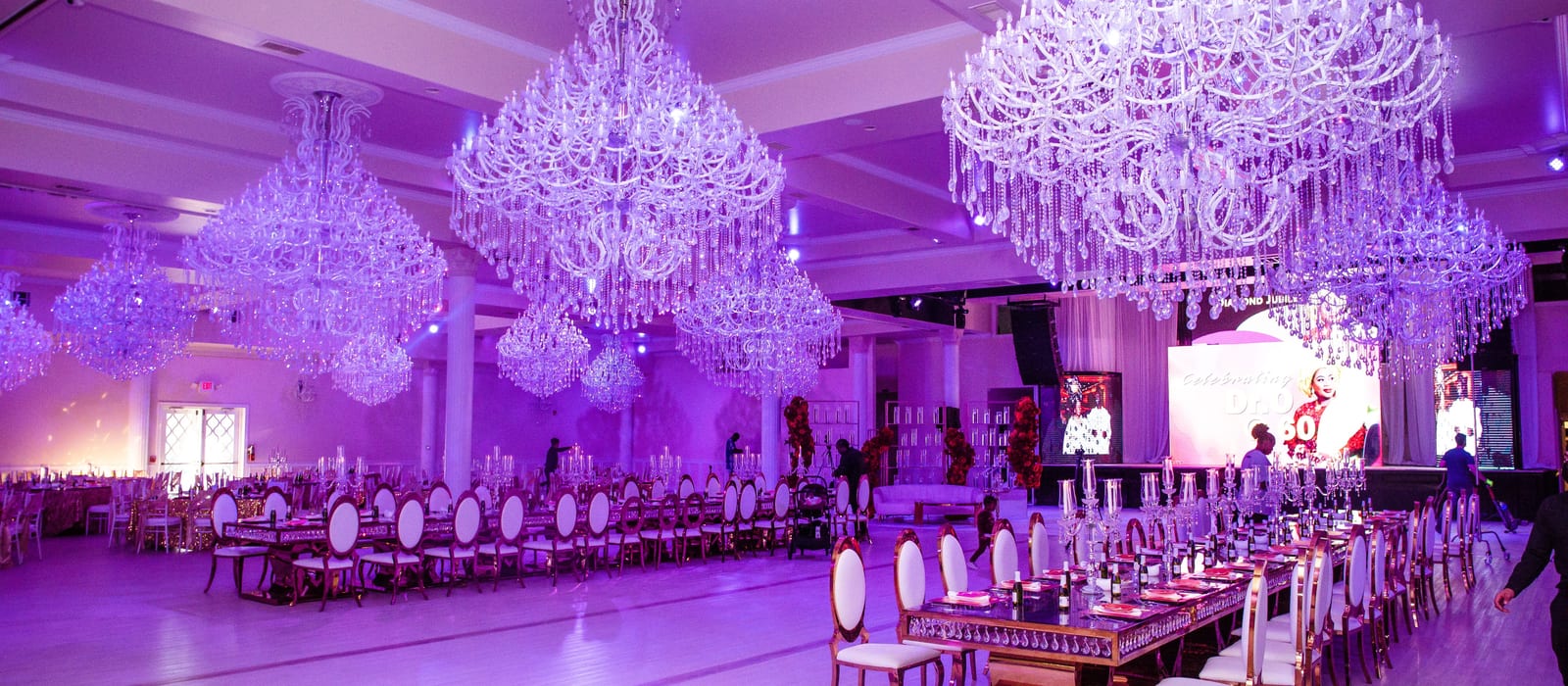
Nigerian weddings are often large, joyful, and loud — in the best possible way. Choose a venue that can comfortably accommodate your guest count, has space for live music or a DJ, and allows for the energy and movement that a Nigerian reception demands. Many Houston ballrooms and event spaces are well-suited to Nigerian weddings — your planner can help you identify the best options.
Coordinate Your Aso-Ebi Early
Aso-ebi fabric needs to be ordered, distributed, and sewn well in advance of the wedding. Give your family and close friends at least three to four months' notice so everyone has time to have their outfits made. Share the fabric details and color palette with your photographer so they can plan compositions accordingly.
Brief Your Photographer on Family Dynamics
Nigerian weddings involve large, extended families — and the family photographs are among the most treasured images from the day. Before the wedding, share a list of the key family groupings you want photographed, along with the names of important elders and family members. This helps your photographer work efficiently and ensures no one is missed.
Frequently Asked Questions
Do we need to have both a traditional ceremony and a white wedding?
Not at all. Many couples choose to celebrate only the traditional ceremony, while others celebrate both. The decision is entirely personal and should reflect what feels most meaningful to you and your families. Both approaches are equally beautiful — and equally worthy of thoughtful photography coverage.
How long does a traditional Nigerian wedding ceremony typically last?
Traditional Nigerian ceremonies typically last between three and six hours, though this varies widely depending on the family, the ethnic tradition, and the number of guests. The reception that follows can extend well into the evening. I always recommend building a generous timeline and communicating it clearly to all vendors.
Can we incorporate both Yoruba and Igbo traditions if we come from different ethnic backgrounds?
Absolutely — and multicultural Nigerian weddings are some of the most beautiful celebrations I have had the privilege of photographing. Many couples create a ceremony that honors both traditions, weaving together elements from each heritage into a celebration that is uniquely their own. Your families and cultural advisors can help you navigate this thoughtfully.
What should guests wear to a traditional Nigerian wedding?
If you have been given aso-ebi fabric, wear it — having your outfit made by a skilled tailor is part of the experience. If you have not received aso-ebi, traditional Nigerian attire or elegant formal wear in rich, vibrant colors is always appropriate. Avoid white, which is typically reserved for the bride.