Why Your Wedding Timeline Matters
Planning your wedding is about more than choosing the perfect venue or finding the dress you've always dreamed of wearing. One of the biggest factors that determines how enjoyable your wedding day feels — and how beautiful your photographs become — is your timeline.
As a Houston wedding photographer, I've seen firsthand how a well-planned schedule transforms the entire experience. Couples who allow enough time for each part of the day are more relaxed, more present, and able to truly enjoy every moment. Those genuine emotions are exactly what create timeless photographs.
Whether you're getting married in downtown Houston, The Woodlands, Sugar Land, Katy, or anywhere across Texas, this guide will help you build a wedding timeline that keeps the day flowing smoothly while giving you plenty of opportunities for incredible photographs.
"A great timeline isn't about squeezing in every shot — it's about giving each moment the space it deserves."
Why Your Timeline Is the Most Important Planning Decision
Your wedding day will go by faster than you imagine. Months — or even years — of planning suddenly become one unforgettable day filled with excitement, happy tears, laughter, family, and celebration. Having a thoughtful timeline helps everything unfold naturally without feeling rushed.
A realistic schedule allows you to:
• Enjoy every part of your day without constantly checking the clock. • Spend meaningful time with family and friends. • Minimize stress and last-minute surprises. • Give your photographer enough time to create beautiful, natural images. • Stay on schedule without sacrificing the moments that matter most.
The best wedding photographs happen when couples are fully present — not when they're rushing from one event to the next.
Start the Day Without Rushing
One of the most common mistakes couples make is underestimating how long the morning preparations take.
Hair, makeup, getting dressed, final touch-ups, and simply spending time with your bridal party all take longer than expected. I always recommend building extra time into your morning schedule. A 20–30 minute buffer gives everyone room to breathe if something runs behind.
Those quiet moments before the ceremony often become some of the most meaningful photographs of the entire wedding day.
Capture the Little Details
Before anyone gets dressed, your photographer can document the details you've carefully chosen over months of planning.
These often include:
• Wedding dress • Shoes • Rings • Invitation suite • Jewelry • Veil • Bouquet • Cufflinks • Perfume • Meaningful family heirlooms
These images help tell the complete story of your wedding and beautifully preserve all the thoughtful details that make your day uniquely yours.
Getting Ready Photos
Some of the most genuine emotions happen while everyone is getting ready.
This is when excitement builds, parents become emotional, friends laugh together, and anticipation fills the room.
Great moments to capture include:
• Bridesmaids helping with the dress • Mother fastening the gown • Father seeing his daughter for the first time • Groom adjusting his tie • Groomsmen sharing laughs • Champagne toasts • Final touch-ups before leaving
These photographs often become family favorites because they're authentic, emotional, and completely unscripted.

Should You Do a First Look?
A First Look is a private moment where the couple sees each other before the ceremony.
Years ago this was uncommon, but today many couples choose it because it creates a more relaxed wedding day.
Benefits of a First Look:
• Calms pre-ceremony nerves. • Creates a private moment together. • Allows more portraits before guests arrive. • Gives you more time during cocktail hour. • Produces genuine emotional photographs.
If keeping tradition is important, there's absolutely nothing wrong with waiting until the ceremony. The decision should reflect what feels right for you as a couple.

Family Portraits Made Easy
Family portraits don't need to feel stressful.
The secret is simple preparation. Before your wedding, create a list of the family combinations that matter most. Share it with your photographer so everyone knows exactly who's needed and when.
For example:
• Couple with both parents • Couple with siblings • Couple with grandparents • Couple with extended family • Couple with wedding party
Having a list saves time, keeps everyone organized, and ensures no important family member is accidentally missed.
Planning for Your Ceremony
Your ceremony is the heart of the wedding day.
Whether you're exchanging vows inside a church, beneath towering oak trees, or in a beautiful ballroom, your timeline should allow everyone to arrive relaxed and ready.
Consider including time for:
• Guest arrival • Wedding party lineup • Final dress adjustments • Ceremony start • Receiving line (if desired)
Many couples also choose an unplugged ceremony, asking guests to put away their phones and enjoy the moment. This creates cleaner photographs and allows everyone to be fully present.
Don't Miss Golden Hour
If there's one part of the day I encourage every couple to prioritize, it's Golden Hour.
Golden Hour happens shortly before sunset when the light becomes soft, warm, and incredibly flattering.
These few minutes often create the most romantic photographs of the entire wedding.
Even stepping away from the reception for 15–20 minutes can result in breathtaking portraits you'll treasure forever.
If I had to choose one feature that makes the biggest difference in wedding photography, it would be beautiful natural light.
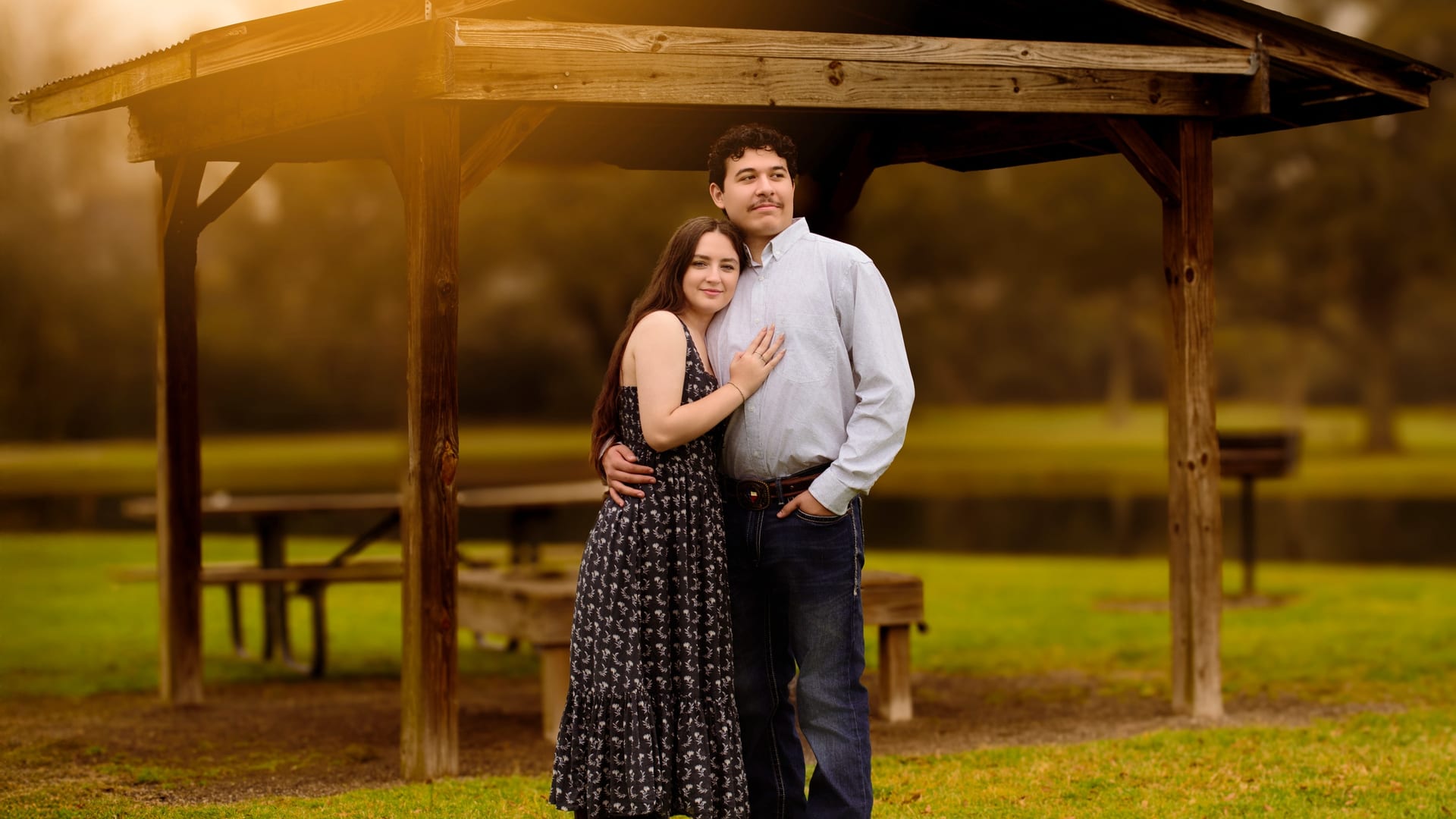
"The best wedding days aren't rushed — they're intentionally planned so you can enjoy every moment."
Reception Timeline That Keeps the Celebration Flowing
Once the reception begins, the evening moves quickly.
A well-organized reception timeline helps everyone enjoy the celebration while ensuring every important tradition is photographed.
Typical reception events include:
• Grand entrance • First dance • Welcome toast • Dinner service • Parent dances • Speeches • Cake cutting • Bouquet and garter traditions (if included) • Open dancing • Private last dance • Grand exit
Not every wedding includes all of these traditions — and that's perfectly okay. Your reception should reflect your personalities and celebrate what matters most to you.
Five Common Timeline Mistakes to Avoid
Even beautifully planned weddings can run into small delays. Here are a few common mistakes to avoid:
Not Leaving Enough Buffer Time — Small delays happen. Building in extra time keeps one delay from affecting the entire day.
Hair and Makeup Running Late — Schedule hair and makeup to finish at least 30–45 minutes before you need to get dressed.
Forgetting Travel Time — Houston traffic can be unpredictable. Always allow extra travel time between locations.
Skipping Sunset Portraits — Golden Hour lasts only a short time. Planning ahead ensures you don't miss it.
No Family Photo List — Without a list, family portraits often take longer and important combinations can be forgotten.
Sample 8-Hour Wedding Photography Timeline
Here is a sample timeline for an 8-hour wedding photography coverage. Use this as a starting point and customize it to fit your venue, traditions, and priorities.
Sample Timeline
Every wedding is unique. Your timeline should be customized to fit your venue, traditions, travel time, and priorities.
Tips for a Stress-Free Wedding Day
The most beautiful weddings aren't perfect — they're joyful.
Here are a few simple ways to keep your day relaxed:
• Eat breakfast and stay hydrated. • Assign someone to handle small questions so you can focus on enjoying the day. • Trust your vendors to do what they do best. • Build extra time into your schedule. • Take a few quiet moments together after the ceremony. • Focus on celebrating instead of chasing perfection.
Years from now, you won't remember whether everything happened exactly on schedule — you'll remember how the day felt.